
Tadoba Photography Safari from Nagpur — Pench, Umred & Kanha
Fifteen years of field craft, in the seat beside you
A safari is not a drive — it is a conversation with the forest. Come learn where to look, when to wait and how to read the alarm calls in Tadoba, Pench, Umred-Karhandla and Kanha — the tiger reserves I have called home since 2010.
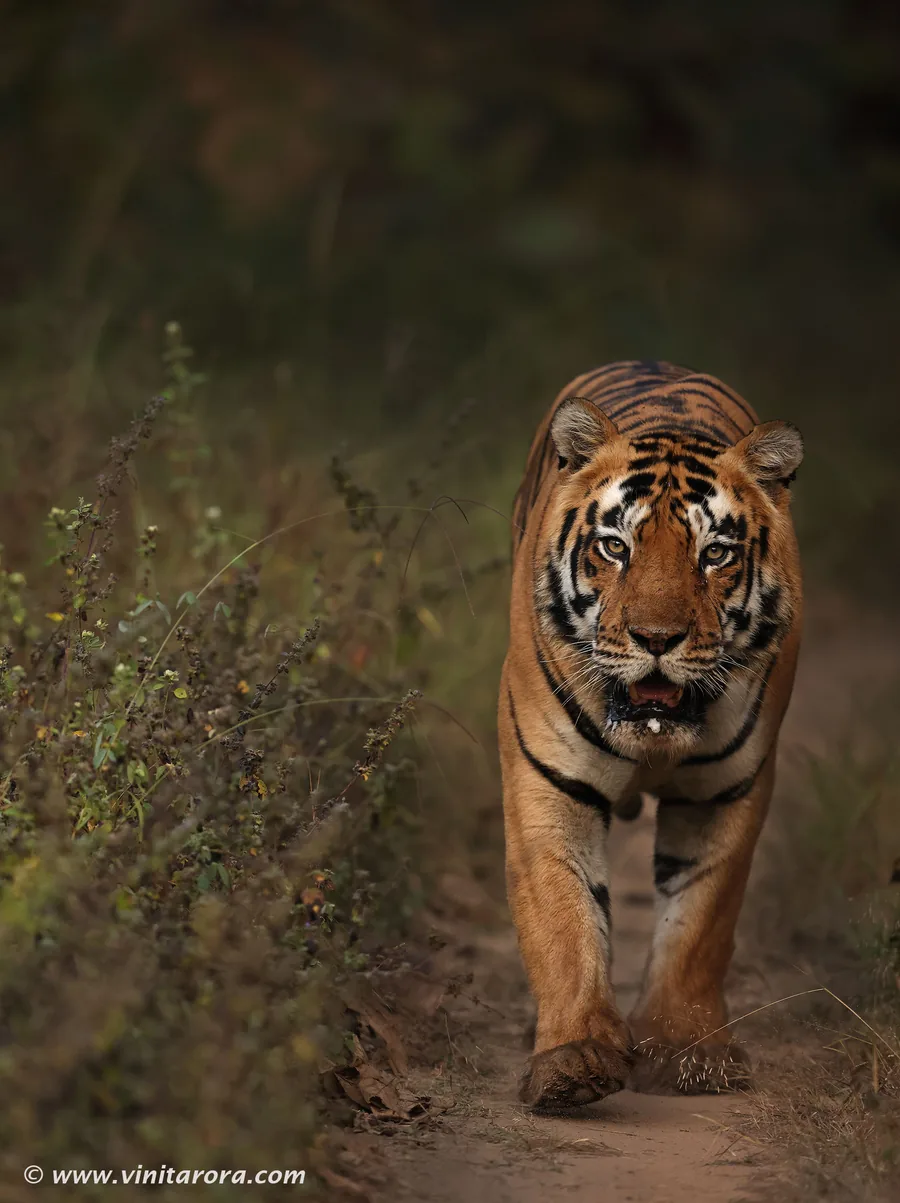
Four tiger forests, one base in Nagpur
Nagpur is the tiger capital of India — four tiger reserves lie within a day’s drive. Tell me what you want to photograph and when, and I’ll suggest the park, zone and season that give you the best chance.
Tadoba-Andhari Tiger Reserve
Maharashtra’s oldest national park. Teak and bamboo forest around quiet lakes, with tigers, leopards, sloth bears, dholes (Indian wild dogs), gaur and nearly 200 species of birds. The core zone closes on Tuesdays and through the monsoon (July to September); the buffer zones stay open.
Pench Tiger Reserve
The forests that inspired Kipling’s The Jungle Book, reached from Nagpur through the Sillari and Khursapar gates on the Maharashtra side. Tigers, leopards and dholes along the Pench river, and superb birdlife around the Totladoh reservoir.
Umred-Karhandla Wildlife Sanctuary
The closest tiger forest to Nagpur, made famous by the tiger Jai. Easy to reach for a single morning or evening safari — ideal for a first tiger safari or a short trip between meetings in the city.
Kanha Tiger Reserve
Open sal forest and vast meadows, some of the most photogenic tiger country in India, and the home of the barasingha — the hard-ground swamp deer saved from extinction here. Best as a trip of three or more days, about five to six hours from Nagpur.
How a photography safari works
Tell me your dates
Send the enquiry below. It reaches me directly on WhatsApp and I reply within a day with availability and honest advice on seasons and parks.
We build the itinerary
Park permits, gypsy and naturalist coordination, zones and stays — I help you plan every detail around the sightings you dream of.
We go find the light
Early gates, patient hours at the right waterholes, and photography mentoring in the field — whether you carry a phone or a 600mm.
Plan your safari
Submitting opens WhatsApp with your details pre-filled, so your enquiry lands directly with me — no accounts, no middlemen.
Your enquiry is on its way
WhatsApp should have opened with your details — just press send there and I’ll get back to you within 24 hours. If it didn’t open, write to me at vinit@vinitarora.com or call +91 98600 62994.
Safari questions
When is the best time for tiger photography in Tadoba?
March to June gives the best odds: the forest thins out and tigers come to the waterholes in the summer heat, though it is hot in the gypsy. October to February is cooler, greener and softer in light, and sightings take more patience. The core zone closes for the monsoon from July to September.
Core zone or buffer zone — which is better?
The core zones hold the most protected habitat and the highest tiger density, but close on Tuesdays and through the monsoon. The buffer zones are quieter, often give excellent sightings and stay open in the monsoon. On a trip of several safaris, a mix of both usually works best.
How far are Tadoba, Pench, Umred-Karhandla and Kanha from Nagpur?
Tadoba is about 140 km — around three hours by road. Pench (Maharashtra side) is 65–90 km depending on the gate, Umred-Karhandla about 60 km, and Kanha roughly 250 km, five to six hours away.
How are safari permits booked?
Permits are sold online by each state’s forest department, zone by zone and gate by gate, and weekend and summer slots fill up weeks ahead. I help you choose the right zones and dates, and coordinate the gypsy, driver and naturalist.
Do I need a big lens?
No. A 100–400mm zoom or similar covers most sightings, and a phone works well for landscapes and close encounters. I mentor you in the field at your pace and your gear level — from a phone to a 600mm.